


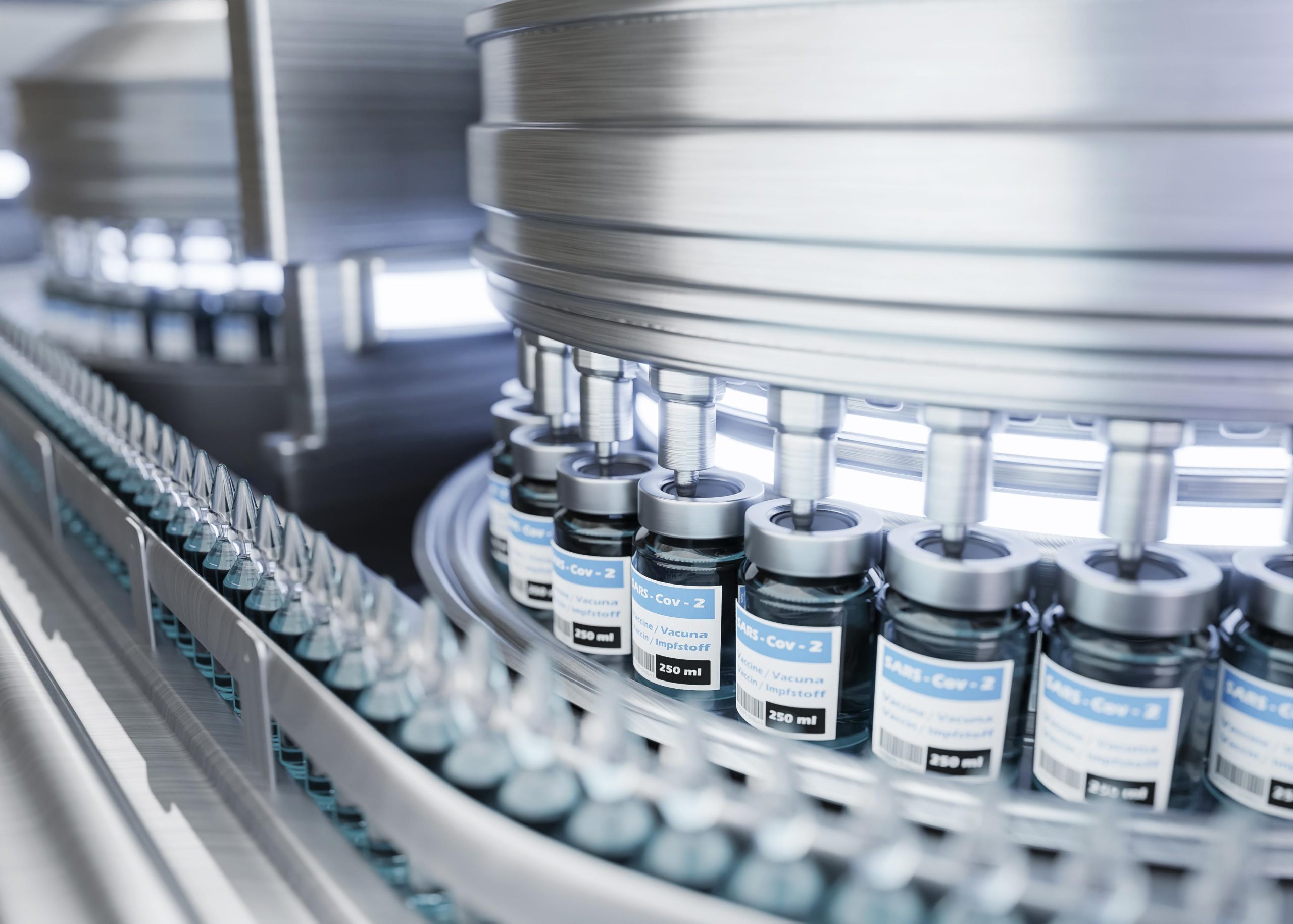
This blog explains the key differences between third party pharma manufacturing and contract manufacturing, two commonly used models in the pharmaceutical industry. I clarify how each model works, who it is best suited for, and what businesses should consider before choosing the right manufacturing approach. The aim is to help brands, distributors, and pharma companies make informed decisions when selecting a third party pharma manufacturing company.
Why Understanding the Difference Matters
In my experience, many pharmaceutical businesses use the terms third party manufacturing and contract manufacturing interchangeably. While they appear similar on the surface, there are important differences in structure, responsibility, and business involvement.
Choosing the wrong model can impact branding control, regulatory ownership, scalability, and long-term profitability. That’s why understanding how each model operates is essential before partnering with a manufacturing company. In this blog, I’ll clearly explain both concepts and highlight their practical differences.
What Is Third Party Pharma Manufacturing?
How Third Party Manufacturing Works
Third party pharma manufacturing is a business model where a manufacturing company produces medicines on behalf of another company, usually under the buyer’s brand name. The buyer handles marketing, distribution, and sales, while the manufacturer focuses on production and quality compliance.
A third party pharma manufacturing company typically offers ready-to-market formulations, packaging support, and regulatory documentation. This model is widely used by startups, marketing companies, and regional pharma brands looking to expand quickly.
Ownership and Branding Control
In third party manufacturing, the brand owner retains full control over branding, pricing, and market positioning. The manufacturer does not sell the product independently and works exclusively as a production partner.
What Is Contract Manufacturing?
Contract Manufacturing Explained
Contract manufacturing is a broader and more flexible arrangement. In this model, a pharmaceutical company outsources part or all of its manufacturing operations to another company under a formal contract.
Unlike third party manufacturing, contract manufacturing can involve:
- API manufacturing
- Bulk drug production
- Formulation development
- Packaging or even partial processes
The buyer may already have established formulations, regulatory approvals, or technical specifications.
Shared Responsibilities
In contract manufacturing, responsibilities are often shared. Depending on the agreement, the buyer may handle regulatory filings, raw material sourcing, or product design, while the manufacturer executes production as per agreed standards.
Key Differences Between Third Party and Contract Manufacturing
H3: Level of Business Involvement
Third party manufacturing is more turnkey in nature. The manufacturer often provides formulations, documentation, and production under one roof.
Contract manufacturing, on the other hand, requires higher involvement from the buyer. It is more suitable for companies with technical expertise or existing product portfolios.
Flexibility and Customization
Contract manufacturing offers higher flexibility. Buyers can customize formulations, processes, and batch sizes.
Third party manufacturing is faster and simpler but may offer limited customization depending on the manufacturer’s product range.
Regulatory and Compliance Responsibilities
Regulatory Ownership
In third party manufacturing, regulatory responsibility often lies with the brand owner, while the manufacturer supports documentation and compliance.
In contract manufacturing, regulatory ownership can be shared or retained entirely by the buyer, depending on the agreement.
Quality Assurance Systems
Both models require strict adherence to GMP and international quality standards. However, contract manufacturing agreements often involve detailed audits and technical validations, especially for regulated markets.
Cost Structure and Scalability
Cost Efficiency
Third party manufacturing is generally more cost-effective for new or growing brands. It reduces capital investment, infrastructure costs, and operational overhead.
Contract manufacturing may involve higher initial costs but offers better control and scalability for established pharma companies.
Speed to Market
Third party manufacturing allows faster product launches because formulations and processes are already in place.
Contract manufacturing may take longer due to development, validation, and regulatory alignment phases.
Which Model Is Right for Your Business?
In my view, the choice depends on your business goals, resources, and long-term vision.
If you are a marketing-focused company aiming for quick market entry, third party manufacturing is often the better option. If you are a pharmaceutical company with technical expertise seeking customized production and long-term control, contract manufacturing may be more suitable.
Working with a reliable third party pharma manufacturing company ensures that whichever model you choose, quality, compliance, and consistency are never compromised.
Conclusion: Making the Right Manufacturing Decision
Understanding the difference between third party pharma manufacturing and contract manufacturing helps businesses avoid costly mistakes and build sustainable growth strategies. Both models play a vital role in the pharmaceutical ecosystem, and neither is inherently better than the other.
The key lies in choosing the right partner, one that aligns with your quality standards, business objectives, and regulatory requirements. With the right manufacturing support, companies can focus on growth while ensuring safe and effective medicines reach the market.
If you’re exploring partnerships with a trusted third party pharma manufacturing company, Vasudha Life Science offers dependable, compliant, and scalable manufacturing solutions designed to support your brand’s success across global markets.