


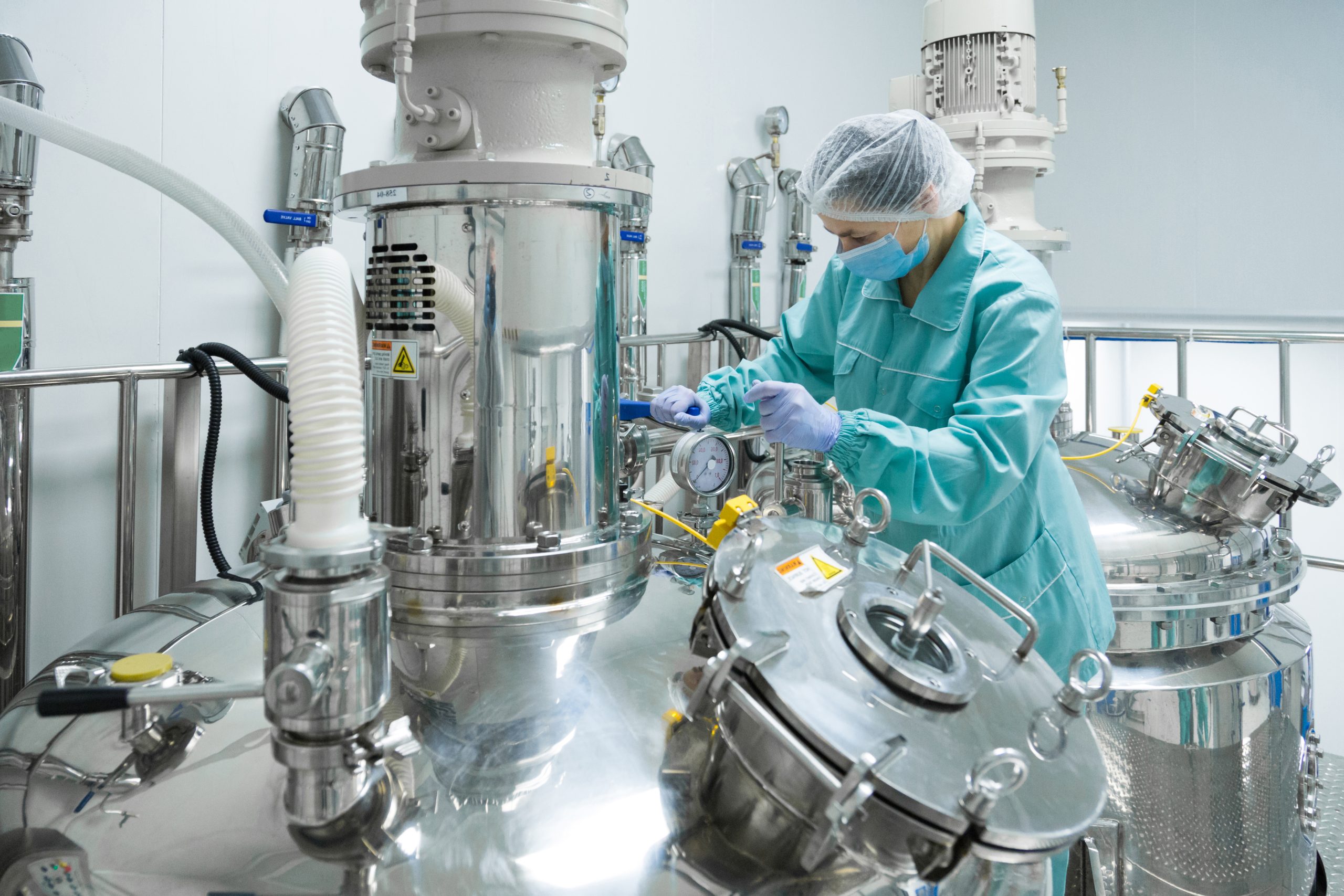
This blog explains how a medicine manufacturing company ensures quality assurance at every stage of the pharmaceutical production process. I walk through the systems, checks, certifications, and controls that protect patient safety and maintain global compliance. The goal is to help readers clearly understand what quality assurance really means in pharmaceutical manufacturing and why it matters when choosing the right manufacturing partner.
Why Quality Assurance Is Non-Negotiable in Pharma
As someone deeply involved in pharmaceutical manufacturing, I know that quality assurance is not just a regulatory requirement it’s a responsibility. Every tablet, capsule, or injectable that reaches a patient’s hands must be safe, effective, and consistent. This is why quality assurance sits at the heart of every reliable medicine manufacturing company.
Quality failures don’t just affect brands; they affect lives. That’s why leading pharmaceutical manufacturers build quality into every process rather than treating it as a final checkpoint. In this blog, I’ll explain how quality assurance is implemented across manufacturing operations and what global companies should look for when selecting a trusted partner.
Quality Assurance Starts with Regulatory Compliance
Adherence to Global Standards
The foundation of quality assurance lies in compliance with international regulations. A responsible medicine manufacturing company operates strictly under guidelines such as WHO-GMP, ISO standards, and country-specific regulatory frameworks.
These standards govern everything from facility design and equipment validation to staff training and documentation practices. Compliance is not optional; it is continuously monitored through internal audits and external inspections.
Documentation and Traceability
Every step in the manufacturing process is documented. From raw material procurement to final product dispatch, complete traceability ensures accountability. This allows manufacturers to quickly identify, investigate, and resolve deviations if they occur.
Raw Material Quality Control
Supplier Qualification and Audits
Quality assurance begins even before manufacturing starts. Raw materials are sourced only from approved and audited suppliers. Each supplier must meet strict quality benchmarks related to purity, consistency, and regulatory compliance.
Incoming materials are quarantined and tested before they are approved for use. This prevents contamination and ensures uniformity in final products.
Incoming Material Testing
Advanced analytical testing verifies the identity, potency, and safety of raw materials. Only materials that meet predefined specifications move forward into production.
In-Process Quality Checks During Manufacturing
Process Validation
A reliable medicine manufacturing company validates every critical manufacturing step. This ensures that processes consistently produce products that meet quality specifications. Validation studies are conducted regularly to maintain process reliability.
Continuous Monitoring and Controls
During manufacturing, parameters such as temperature, humidity, pressure, and mixing times are continuously monitored. In-process quality checks ensure that deviations are detected immediately rather than after production is complete.
Finished Product Testing and Quality Review
Comprehensive Laboratory Testing
Before any medicine is released to the market, it undergoes rigorous testing. These tests evaluate potency, dissolution, stability, microbial limits, and physical characteristics.
Quality control laboratories use validated methods and calibrated instruments to ensure accuracy and repeatability of results.
Batch Release by Quality Assurance
No batch is released without formal approval from the quality assurance team. This independent review ensures that all manufacturing and testing requirements have been met and properly documented.
Stability Studies and Shelf-Life Assurance
Real-Time and Accelerated Stability Testing
Stability studies confirm that medicines remain effective and safe throughout their shelf life. Samples are stored under controlled conditions and tested at predefined intervals.
These studies help establish expiry dates and ensure consistent product performance in different climates and markets.
Training, Audits, and Continuous Improvement
Skilled and Trained Workforce
Quality assurance is only as strong as the people behind it. Regular training ensures that teams stay updated on regulatory changes, quality systems, and best practices.
Internal Audits and CAPA Systems
Internal audits help identify gaps before they become risks. When deviations occur, corrective and preventive action (CAPA) systems are implemented to prevent recurrence. This culture of continuous improvement strengthens long-term quality performance.
Conclusion: Quality Assurance Builds Trust in Medicine Manufacturing
In my experience, quality assurance is not a single department it’s a mindset embedded across the organization. A dependable medicine manufacturing company prioritizes patient safety, regulatory compliance, and operational excellence at every stage.
Global partners don’t just choose manufacturers based on cost or capacity. They choose companies that demonstrate transparency, accountability, and unwavering commitment to quality. These are the values that sustain long-term partnerships and protect global healthcare systems.
If you’re looking to collaborate with a trusted medicine manufacturing company that upholds rigorous quality assurance standards, Vasudha Life Science is ready to support your pharmaceutical manufacturing needs with integrity, expertise, and global compliance.